Description
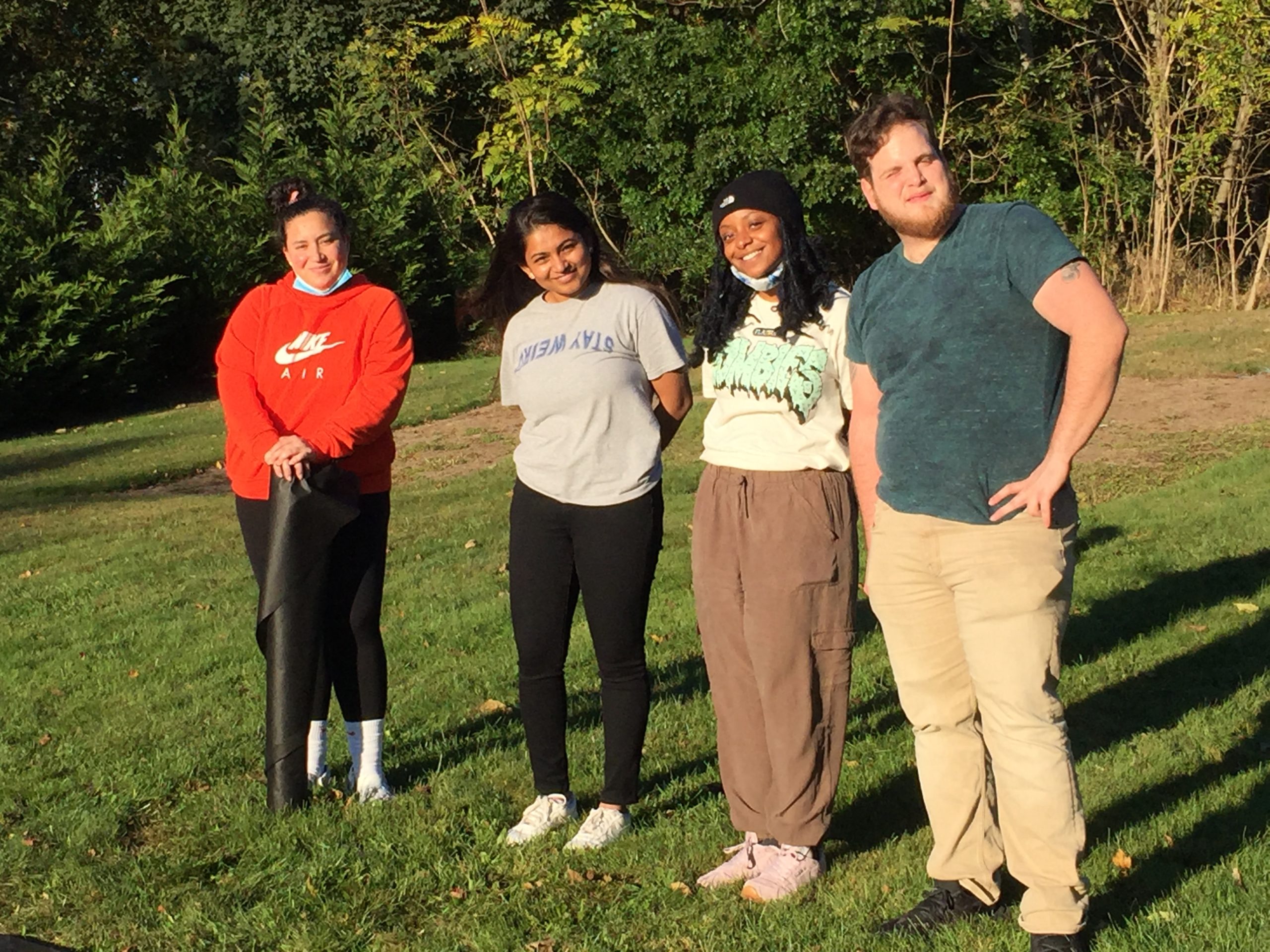
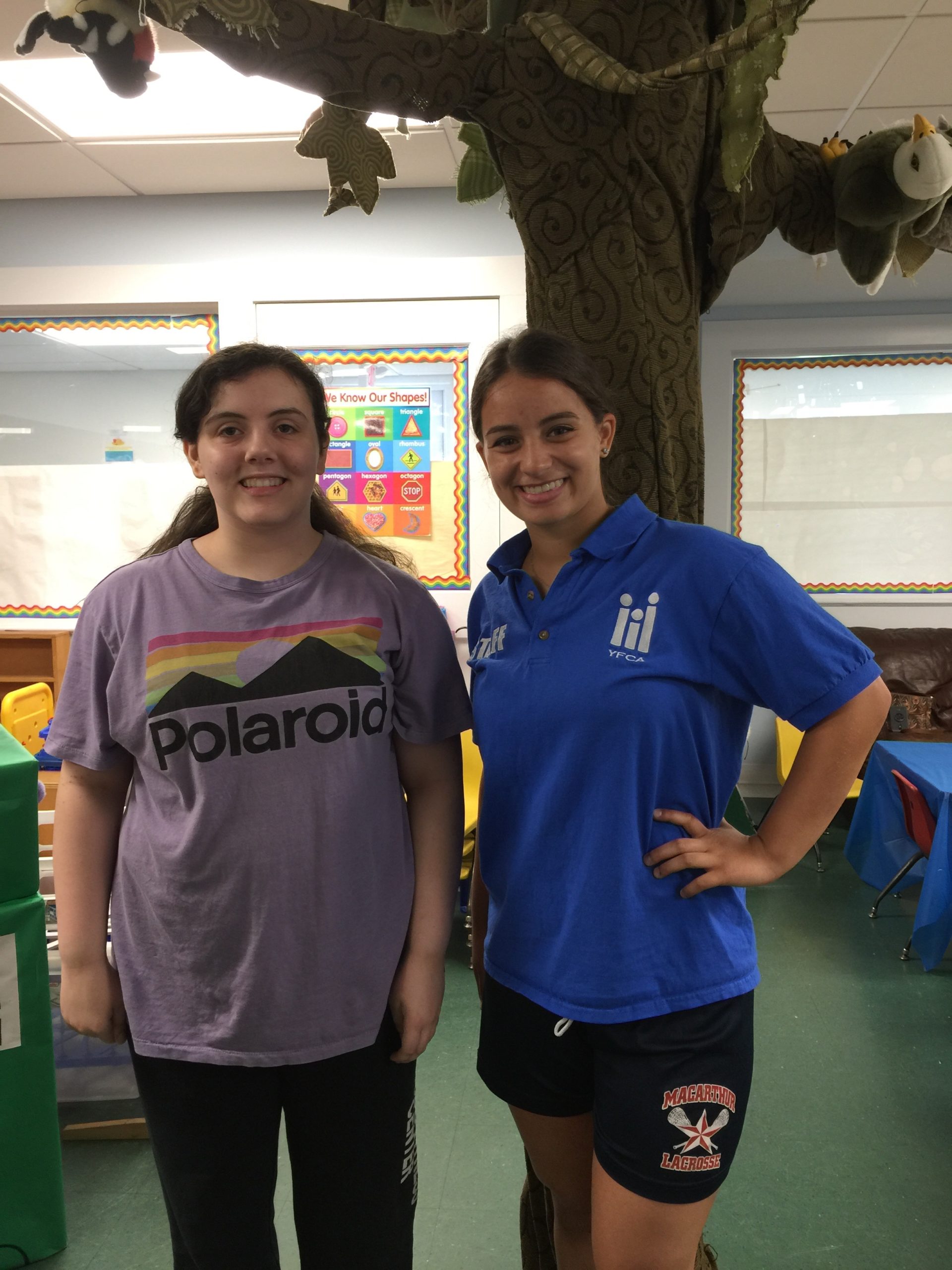
Civic Mentoring is a 24-week program which is offered for 10-weeks during the Fall season and 14-weeks in the Spring. These structured community-based classes, open to the general public, meet for a 2-hour session either one or two times per week. Mentors work with participants in mentoring teams as a community of peers. Active engagement in an integrated setting using an innovative project-based learning framework taps into the inherent abilities of our young people. Through their learning experiences, they are naturally able to build self-confidence and a range of skills, providing a sense of direction.
Educational opportunities are organized into specific themes or topic areas of interest each season based on specialized curriculum at our center and with community partners who share our passion for guiding teens and young adults. This is a wonderful way for young people to find and follow their bliss! Interns are involved with groupwork, enabling an inclusive environment where many ideas are shared as everyone has the chance to learn and grow together. Some examples are:
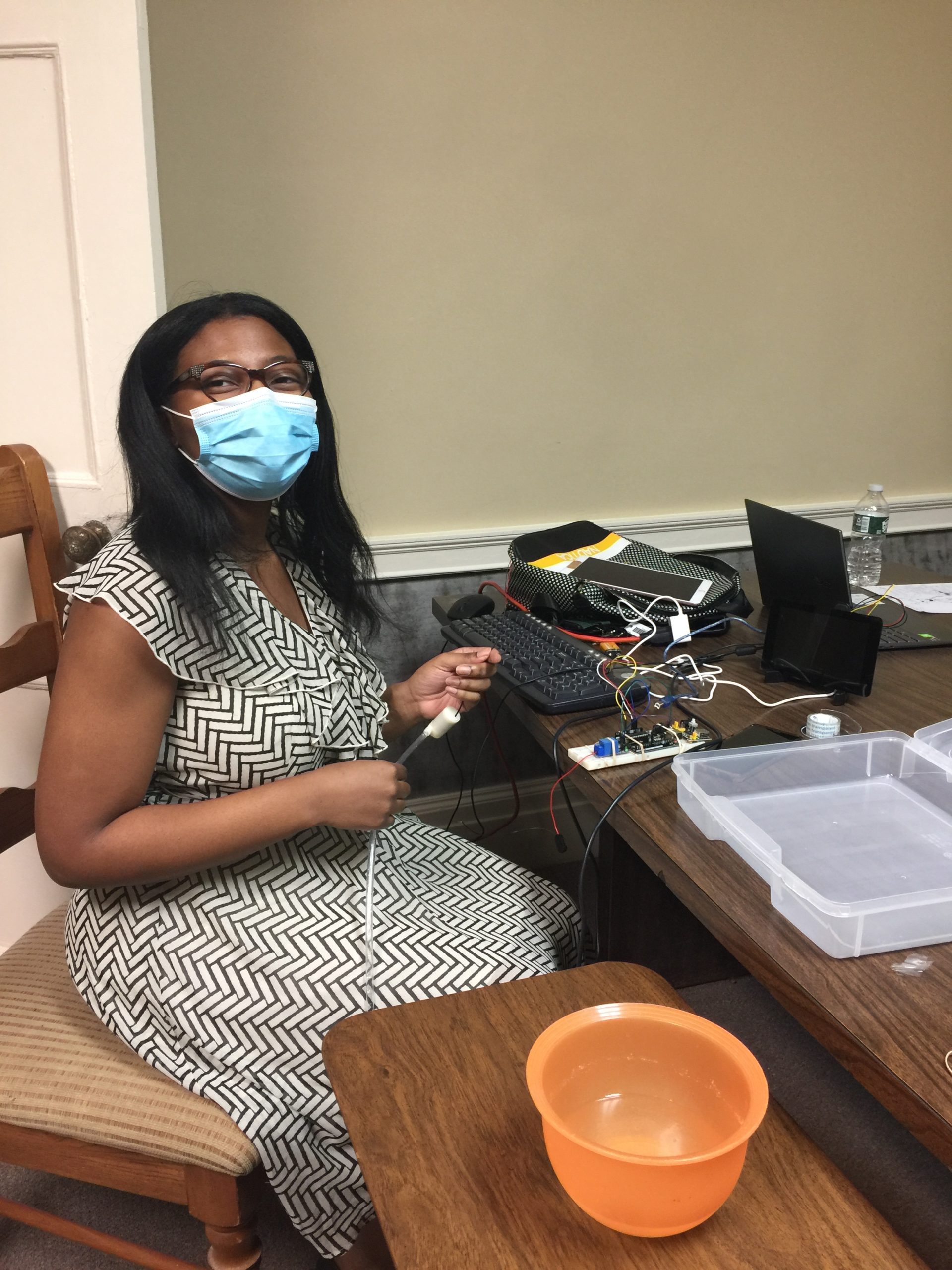
- Computer Programming Basics: Classes may include topics such as Raspberry Pi assembly and programming, HTML and C++ fundamentals, graphic interface development, general application usages, and understanding of communications in preparation for community engagement.
- Technology and Media Development: Classes may include topics such as IT functions, networking components, audio-visual implementation, and expanding understanding of communications for community engagement.
- Community Events and New Media: Classes may include topics such as event coordination, publicity/tabling, video/blog writing & editing, and industry-related asset-based community development.
- Media and the Arts: Classes may include topics such as character development and storyboarding, video or performance organization, podcasting or creative blog writing, and industry-related asset-based community development.
- History, Archival and Journalism Theory: Classes may include topics such as review historic archives or information to determine newsworthiness towards a story’s relevance or interest to the public warranting media coverage, embark on organizing articles, writing synopses and/or creating digital art, and researching community news sources.
- Environmental Studies and Stewardship: Classes may include topics such as introduction to the Long Island eco-community, exposure to organic farming practices and environmental sustainability, advocacy and stewardship in practice, and possible legislative actions to protect people and planet.
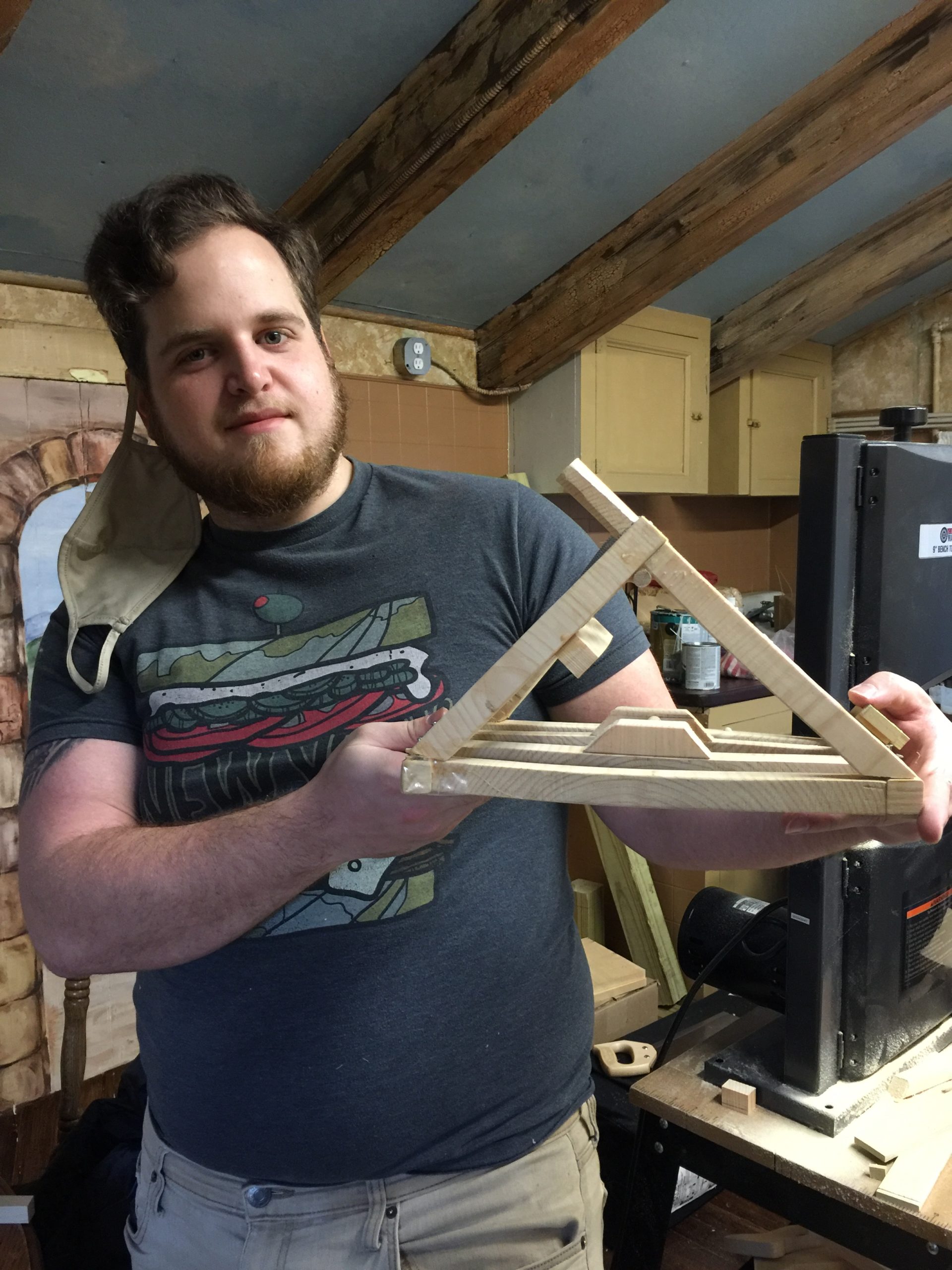
- Carpentry Arts: Classes may include topics such as design and development of ideas for a carpentry project where young people are guided by a mentor and community partner in carpentry arts. This would include assessing and documenting the supply needs based on measurement and cost, following step-by-step instructions on how to cut, sand, assemble, secure, and stain the end product. Team collaboration is an important component.
We recognize the importance of strengthening the innate light in every individual. Viewing our young people through new lenses and educating them in more creative and natural ways, their lives are impacted for the positive and the experiences benefit the community as a whole. Interested parties should contact us for details as program content, format and structure varies.
The application process enables appropriate matches to be made between mentors and mentees. Initial intake includes input from parents/caregivers, program participants and their prospective mentors to establish a collaborative relationship. We then weave the small groups who participate together into a cohesive whole based on strengths, interest areas, and skill levels. Our Skills Development Plan establishes goals and the methods by which they will be achieved, understanding that the plan has built-in flexibility considering situational factors.
Professional oversight and advising is provided by our executive director and case managers. Administrative tracking and seasonal assessments are conducted at which time, guidance services may be recommended. Each season ends with a culmination activity to demonstrate knowledge gained.
College students interested in becoming mentors should complete the Become a Civic Mentor Application. Mentors will take part in formal training and participate in our Project Stewardship program for the duration of time spent mentoring our young people in order to continue relationship building, receiving guidance, and developing insight.